Insights
Discover our extensive expertise in specialized articles, captivating events, and the latest news from BIBUS.
BIBUS Kft.’s expertise truly comes to the fore where standard solutions are not suitable for the task. In the case of custom industrial systems, bespoke machine solutions, and specialized industrial applications, a system-level approach, precise system design, and well-thought-out system integration together create genuine engineering solutions.
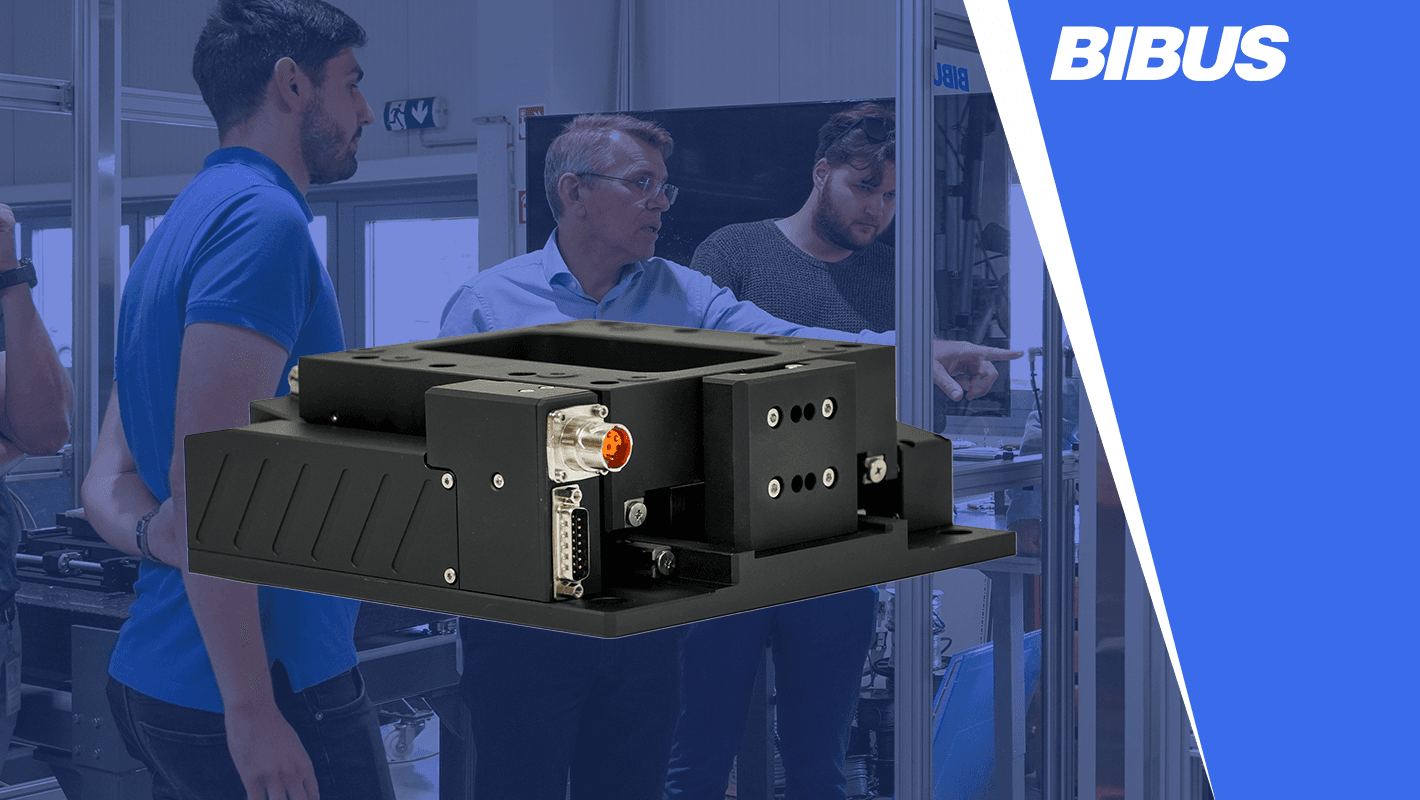
A modern working environment is the foundation for collaboration, exchange and clear decisions.

In a constantly changing industrial context, innovation is a key factor in competitiveness. To support companies in the development of new and differentiating solutions, the French government has set up the Innovation Tax Credit (CII), a tax scheme designed to support innovation projects by SMEs.

The BIBUS Ukraine service team has mastered the process of assembling hydraulic power units, as well as manufacturing and installing hydraulic pipelines designed for industrial equipment.

At BIBUS France, we design solutions that meet the challenges of reducing physical exertion, arduousness and musculoskeletal disorders (MSDs). It is in this logic that some of our equipment can be part of occupational risk prevention systems.

BIBUS India showcased advanced motion control and automation solutions at IMTEX Forming 2026, engaging with customers and partners at BIEC Bengaluru.

BIBUS France is proud to announce the result of its EcoVadis 2026 assessment. This assessment reinforces the credibility of our CSR approach with our French and international partners, and supports our positioning as a responsible industrial player.

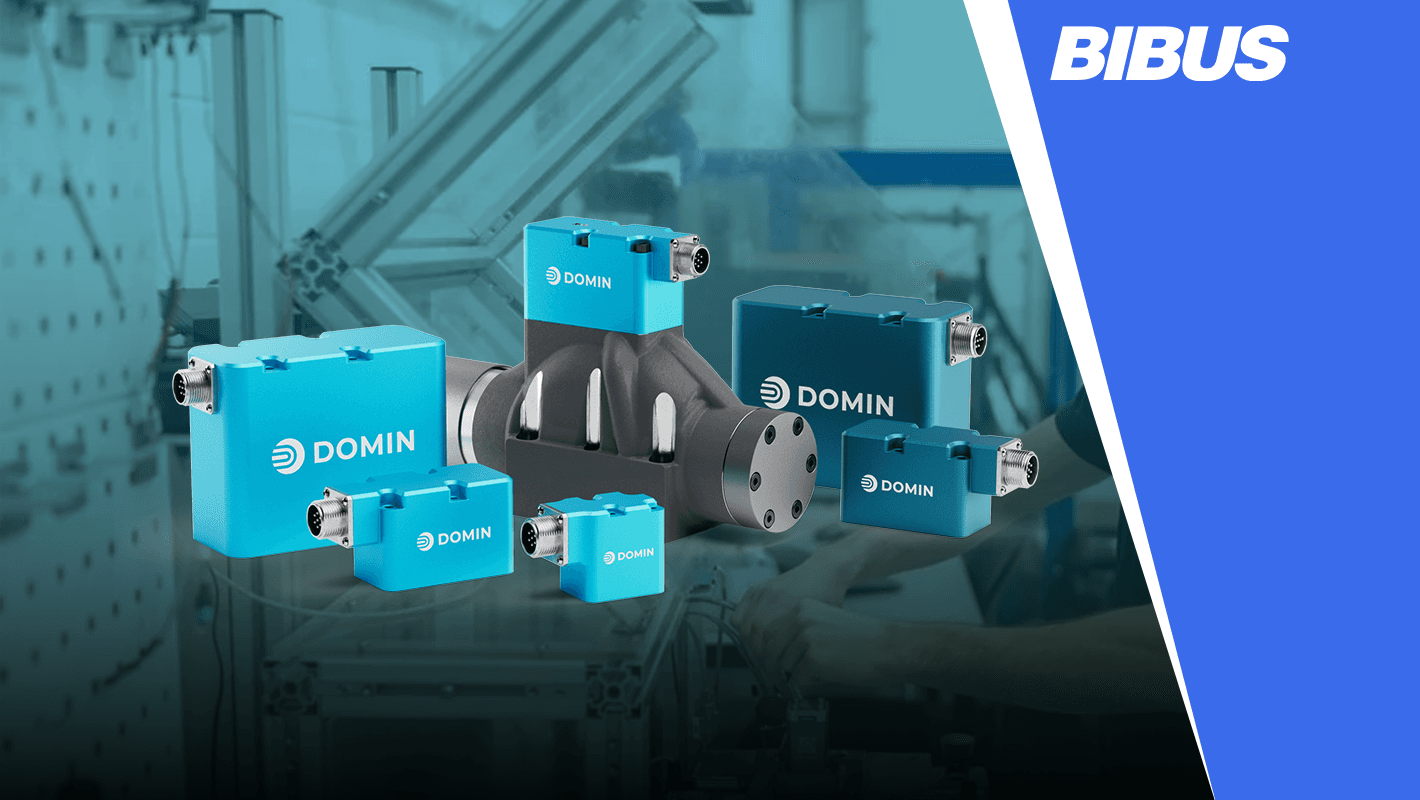
In hydraulic testing, there is an increasing demand for systems that combine high dynamic performance with excellent accuracy, stability and repeatability. When standard solutions reach their limits, application-specific components become essential. This case study outlines how Domin S4 Pro and S6 Pro servo valves enable high-precision, high-dynamic hydraulic testing in custom-developed test systems.
Discover our equivalence solutions for Deschner's range of Kinechek speed controllers and shock absorbers, available immediately on our website.

Overworked teams, decisions that drag on, and projects that move forward in fits and starts. That's exactly where BIBUS Solutions comes in. Our mission: to work with you to transform your technical idea into an operational industrial system.
